Paraformaldehyde Fixation

Paraformaldehyde Cas 4 Scbt Santa Cruz Biotechnology
Http Polarphytoplankton Ucsd Edu Docs Protocols Parasample Fixation Pdf

An Evaluation Of Fixation Methods Spatial And Compositional Cellular Changes Observed By Raman Imaging Sciencedirect

Fixation
Rupress Org Jcb Article Pdf 59 2 537 537 Pdf
How To Fix And Dehydrate Tissue
Fixation Buffer is useful for intracellular staining procedures, eg, in preparation of cells for staining intracellular cytokines or other proteins Fixation Buffer is used to fix cells prior to permeabilization using Permeabilization Wash Buffer (Cat No ) BioLegend's Fixation Buffer has been formulated with prescreened paraformaldehyde with low background, thus producing the greatest signal to noise ratio.
Paraformaldehyde fixation. Paraformaldehyde itself is not a fixing agent, and needs to be broken down into its basic building block, formaldehyde This can be done by heating or basic conditions until it becomes solubilized Formalin is the name for saturated (37%) formaldehyde solution. When fixing a sample in 1% paraformaldehyde, it is important to doa PBS (without serum) wash before, otherwise the para is used up fixing serumproteins, and cells are poorly fixed, resulting in deterioration of thesample and signal to noise ratio Hope this helps. Paraformaldehyde is formed in aqueous formaldehyde solutions But the synthesis is slow This happens when the solution is kept cool Usually, methanol is added to formaldehyde solutions as a stabilizer Without the stabilizer, the solution is unstable and tends to undergo polymerizationFirst, insoluble macromolecules are formed, which later form paraformaldehyde.
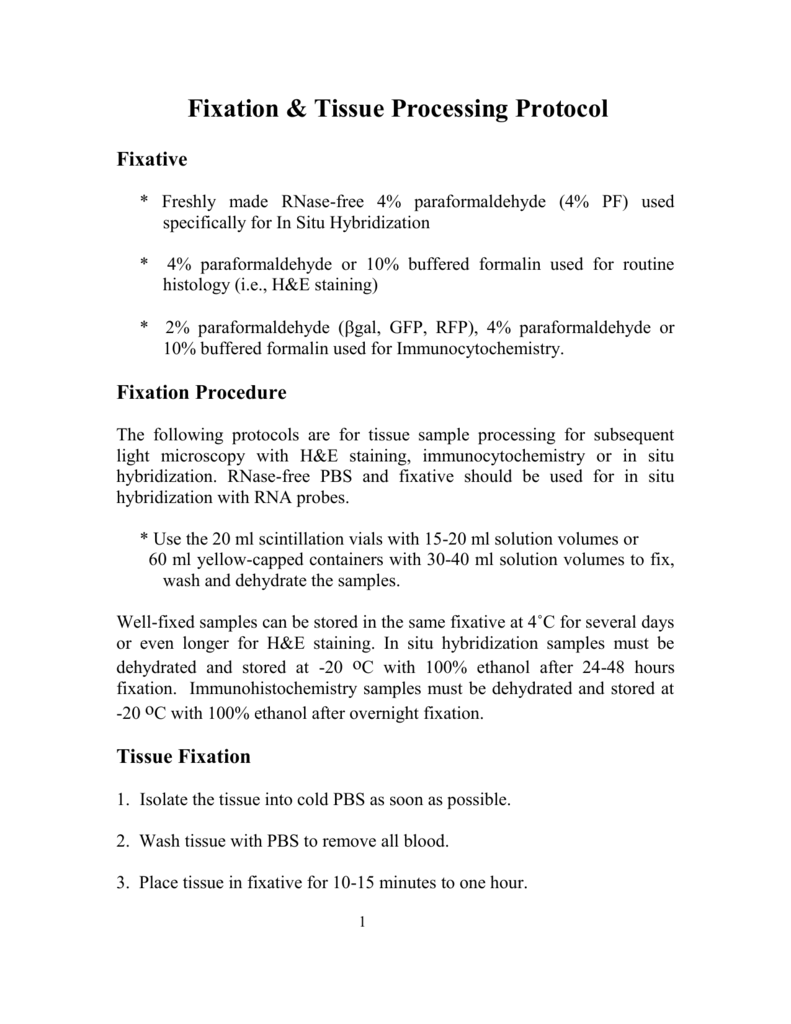
4% Paraformaldehyde (PFA) is a general histological tissue fixative Contains paraformaldehyde buffered to a neutral pH Our PFA is designed to ready to use and should not require any additive Tissue specimens should be place immediately in PFA to prevent autolysis, putrefaction and other undesirable cellular changes. OLSON LAB PROTOCOL 4% Paraformaldehyde (PFA) in PhosphateBuffered Saline (PBS) Revision 11 / Date / By G Hrckova / Modified by PD Olson NOTES • Fixative for immunocytochemistry of fresh tissues (eg WMISH) • PFA crosslinks the biomolecules of the cell, acting as scaffolding that anchors the mRNA. Paraformaldehyde itself is not a fixing agent, and needs to be broken down into its basic building block, formaldehyde This can be done by heating or basic conditions until it becomes solubilized Formalin is the name for saturated (37%) formaldehyde solution.
Fixation of Tissue For immersion fixation, use 25% glutaraldehyde (must be EM grade) in 01M buffer The time of fixation is dependent For perfusion fixation, use 2% glutaraldehyde and 2% paraformaldehyde in 01M buffer The conditions depend upon the To prepare 100 mL of. Fixing Cells with Paraformaldehyde (PFA) for Flow Cytometry Preparation of Working Solutions Dilute only the amount of PFA you will need per experiment to 4% PFA from the 16% stock with PBS Store the undiluted stock at degrees until needed (open stocks should only be kept for one month) Add an equal volume of the 4% stock to samples for a final concentration 2% PFA. J Histochem Cytochem 1985 Aug;33(8) doi / Authors C H Fox, F B Johnson, J Whiting, P P Roller.
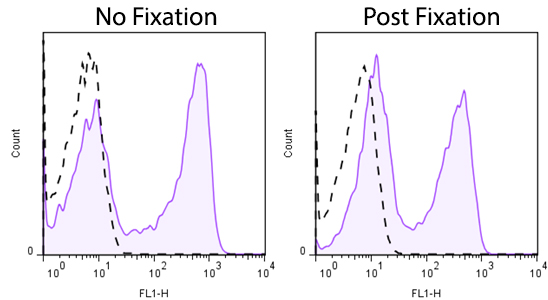
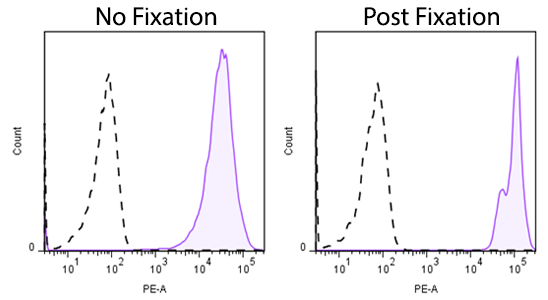
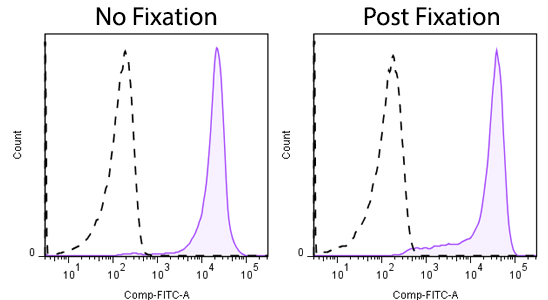
For fixation purposes, it should be diluted with PBS to a concentration anywhere between 05% and 4% For a more in depth explanation of the nomenclature of formaldehyde and paraformaldhye see this message on the Purdue University Cytometry website. 4% Paraformaldehyde Recipe 1 To prepare a 4% of paraformaldehyde (PFA) solution in PBS, add 4 grams of granular or prill paraformaldehyde to water 2 Use stirring hot plate to heat the solution to 60degree celsius Add 1mL of 1M NaOH until the paraformaldehyde is 3 Add 10 mL of 10x. Fixation can alter the epitope, making it difficult for your antibody to recognize its target The information provided below is based on our inhouse testing of our clones on unfixed cells (no fixation) and cells fixed with 4% paraformaldehyde prior to staining (postfixation) We have provided data where possible.
It must be depolymerized to formaldehyde in solution In cell culture, a typical formaldehyde fixing procedure would involve using a 4% formaldehyde solution in phosphate buffered saline (PBS) on ice for 10 minutes In histology and pathology specimens preparation, usually, the fixation step is performed using 10% Neutral Buffered Formalin (4% formaldehyde) for, at least, 24 hours. For 500 ml 2% Paraformaldehyde Solution Allow paraformaldehyde (PFA) powder (Aldrich # or Sigma P6148) to come to room temperature (Stored in Weigh 100 g PFA in fume hood Flush container with Argon or Nitrogen to prevent air decomposition of pformaldehyde Dissolve in 475 ml. Perfusion fixation If it is possible, perfusion is the preferred method of tissue preservation These are the materials that you will need for perfusion fixation Create a solution with a final concentration of 1X PBS, 4% paraformaldehyde (PFA), and 1% glutaraldehyde (GA).
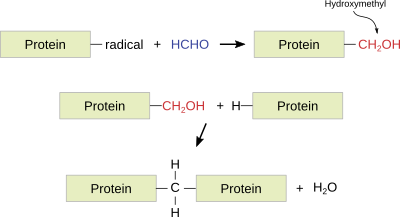
The standard fixative for tissue destined for light microscopy analyses is 4% formaldehyde, which is used interchangeably with 10% neutral buffered formalin, 10% buffered formalin phosphate (Fisher Chemical, https//wwwfisherscicom External Link ), or 4% paraformaldehyde. A common mistake is to say that paraformaldehyde is used to fix cells In reality, paraformaldehyde is an insoluble white powder that won’t fix anything – the solution we use is methanolfree formaldehyde For fixation purposes, it should be diluted with PBS to a concentration anywhere between 05% and 4%. Answer Paraformaldehyde (PFA) is a chemical fixation agent that preserves tissue by forming covalent bond cross links between molecules In order to analyze biological tissue on a molecular scale, a fixative compound is often used.
4% Paraformaldehyde (PFA) is a general histological tissue fixative Contains paraformaldehyde buffered to a neutral pH Our PFA is designed to ready to use and should not require any additive Tissue specimens should be place immediately in PFA to prevent autolysis, putrefaction and other undesirable cellular changes. 2Type of fixative paraffin embedded tissues are most often fixed in either 10% (v/v) neutral buffered formalin (NBF) or fresh 4% (w/v) formaldehyde solution (“PFA”) made from paraformaldehyde power It is important to realize that the concentrations of formaldehyde in both 10% (v/v) NBF and 4% (w/v) PFA are almost identical Confusion arises. Biotium’s paraformaldehyde fixative is a convenient and safer alternative to preparing fixative from scratch Our paraformaldehyde fixative is stabilized by packaging under inert argon gas in amber glass bottles Unlike 16% paraformaldehyde in water that is sold in scorebreak glass ampoules, our fixative is supplied in easytoopen, resealable mL amber glass bottles, and is readytouse.
Paraformaldehyde solution 8% add 8 g paraformaldehyde powder in 100 ml distilled water Heat while stirring to approximately 60 °C and slowly add 1 N NaOH drops until the solution clears Heat while stirring to approximately 60 °C and slowly add 1 N NaOH drops until the solution clears. Paraformaldehyde powder is dangerous to mucous membranes When handling, avoid contact with eyes, wear gloves and a mask To prepare paraformaldehyde fixative, warm PBS up to 65°C Only then, with vigorous stirring, slowly add paraformaldehyde Add 160 g paraformaldehyde/4 liters PBS, 40 g paraformaldehyde/1000 ml PBS, or 32 g/800 ml PBS. 4% Paraformaldehyde Fixative 1 Add deionized water to a flask and heat to 60° C, keeping below 70° C;.
Method Heat the distilled water (or, sometimes a 5% dextrose solution is used) to 60°C Add the paraformaldehyde, and a few drops of 1 M NaOH while stirring to clear the solution Leave to cool (refrigerate overnight if necessary). Description Paraformaldehyde is the condensation product of methylene glycol, a substance not so far isolated in its pure form;. The fixation and permeabilization of your samples are key steps that can determine your experiment’s failure or success The ideal fixative preserves a “lifelike” snapshot while quickly stopping the degradative process of autolysis by crosslinking and inhibiting endogenous enzymes.
Fixation of Cells with 4% Paraformaldehyde The following protocol provides information for the preparation of 3x PBS and 4% paraformaeldehyde, which is used as a cell fixative Preparation of 3x PBS 1. Routine fixation in neuroscience with buffered 4% paraformaldehyde is typical but there are a variety of fixatives and fixation methods Fresh tissue can be sectioned and post fixed but for good retention of labile protein molecules (such as neurotransmitters), transcardial perfusion with a paraformaldehydebased fixatives is preferred. Carbodiimide, dimethylacetamide, dimethylsuberimidate, parabenzoquinone are widely used in tissue fixation of peptide hormones These fixation agents are better mixed with glutaric dialdehyde or paraformaldehyde In recent years, a new type of formaldehydefree fixing solution has become available.
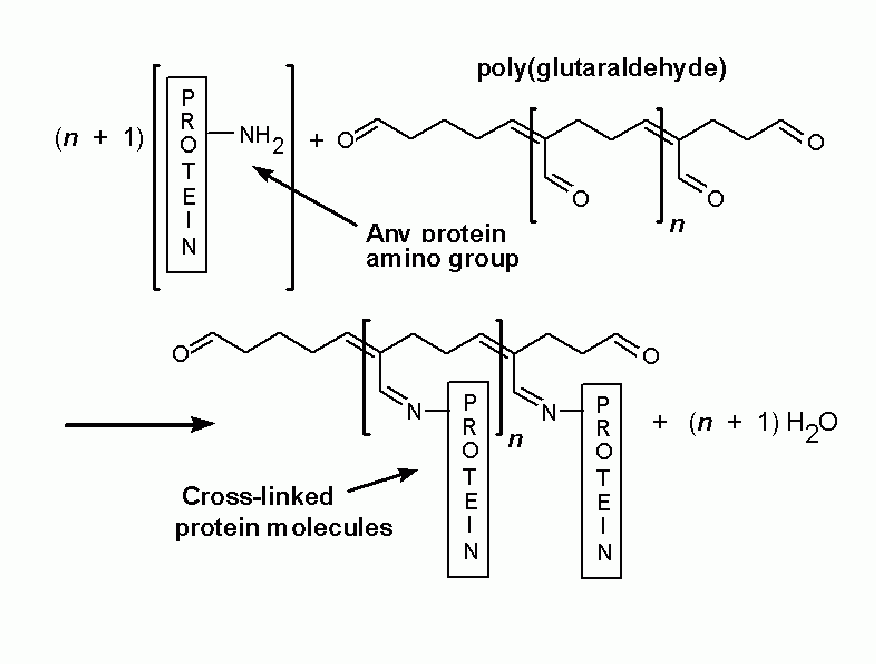
Organic solvents such as alcohols and acetone remove lipids and dehydrate the cells, while precipitating the proteins on the cellular architecture Crosslinking reagents (such as paraformaldehyde) form intermolecular bridges, normally through free amino groups, thus creating a network of linked antigens. OLSON LAB PROTOCOL 4% Paraformaldehyde (PFA) in PhosphateBuffered Saline (PBS) Revision 11 / Date / By G Hrckova / Modified by PD Olson NOTES • Fixative for immunocytochemistry of fresh tissues (eg WMISH) • PFA crosslinks the biomolecules of the cell, acting as scaffolding that anchors the mRNA. Perfusion fixation If it is possible, perfusion is the preferred method of tissue preservation These are the materials that you will need for perfusion fixation Create a solution with a final concentration of 1X PBS, 4% paraformaldehyde (PFA), and 1% glutaraldehyde (GA).
Fixative Most proteins, peptides and enzymes of low molecular weight 4% (w/v) Paraformaldehyde 4% (w/v) Paraformaldehyde1% (v/v) glutaraldehyde 10% Neutralbuffered formalin (NBF) Delicate tissue Bouin's fixative Small molecules such as amino acids 4% (w/v) Paraformaldehyde1% (v/v) glutaraldehyde. Paraformaldehyde is a crosslinking fixative It is changed to formaldehyde by heating and by adding small amount of sodium hydroxide Application Paraformaldehyde is recommended for use in the preparation of formalin fixatives for tissues or cells when the samples are to be used in florescence studies. J Histochem Cytochem 1985 Aug;33(8) doi / Authors C H Fox, F B Johnson, J Whiting, P P Roller.
Method Heat the distilled water (or, sometimes a 5% dextrose solution is used) to 60°C Add the paraformaldehyde, and a few drops of 1 M NaOH while stirring to clear the solution Leave to cool (refrigerate overnight if necessary). Materials for perfusion fixation Anesthetic Scissors, forceps, and clamps for surgical procedures Small forceps with fine claws Scalpel Vials (5–10 mL) with lids for specimens 09% saline 500 mL beakers 4% paraformaldehyde, fixation solution Gloves, eye goggles Perfusion pump (or flask with fixative. Fixation of Tissue There are two methods of fixation of tissue from organs cardiovascular perfusion and immersion fixation Paraformaldehyde is a monoaldehyde and penetrates faster than glutaraldehyde, but results in poorer ultrastructure A solution is to use a mixture of both aldehydes as in perfusion fixation.
Tissue Fixation Solution / 4% Paraformaldehyde (without DEPC) 1) Immerse the tissue in 4% Paraformaldehyde tissue fixation solution and fix it at room temperature or 4°C for 2~24 h 2) It is recommended to fix the tissue in 8 h, unless the tissue block is too large to penetrate 3) Put the tissue. Stabilization is important to prevent oxidation of the formaldehyde to formic acid and its eventual repolymerization to paraformaldehyde To avoid using methanolstabilized formaldehyde for fixation, many protocols recommend making “fresh” formaldehyde from paraformaldehyde immediately before sample fixation. Paraformaldehyde is not a fixative;.
Important Notes on Paraformaldehyde Tissues should not be stored in PFA long term – remove your sample from PFA as soon as possible Over fixation by leaving tissue/cells in paraformaldehyde for too long renders some antigens irretrievable and increases Fixation time can vary depending on the. Answer Paraformaldehyde (PFA) is a chemical fixation agent that preserves tissue by forming covalent bond cross links between molecules In order to analyze biological tissue on a molecular scale, a fixative compound is often used. Fixation of cells with 4% paraformaldehyde 1 Remove growth media from cells 2 Add sufficient 4% paraformaldehyde to generously cover the cell monolayer 3 Incubate at 4oC for approx 30 min to complete cell fixation 4 Cells can be stored at 4oC in paraformaldehyde for several days before use.
Paraformaldehyde is also commonly used and will depolymerise back to formalin when heated, also making it an effective fixative Other benefits to paraformaldehyde include long term storage and good tissue penetration It is particularly good for immunohistochemistry techniques The formaldehyde vapor can also be used as a fixative for cell smears. It is a white solid with a formald ,EA,EA Paraformaldehyde 16% (w/v) in water methanolfree. Formaldehyde/paraformaldehyde Aldehyde fixatives crosslink proteins and generally preserve well the cell morphology They are somewhat slower acting than organic solvents, especially for thick specimens 4% formaldehyde for 10 min is a good starting point for mammalian cells.
2 Add the paraformaldehyde, with constant stirring, continue stirring for 10 min;. Paraformaldehyde Fixation of Cells Background This fixation method is good for cells labeled by fluorochromeconjugated antibodies to membrane antigens It will stabilize the light scatter and labeling for up to a week in most instances, allowing you to be more flexible in scheduling cytometer time. Place tissues in 4% paraformaldehyde for no longer than 48 hours at 4oC The solution should completely cover the tissue After 2448 hours, tissue can then be stored in 1X PBS at 4oC for up to two weeks Tissues may also be stored in 70% ethanol at 4oC.
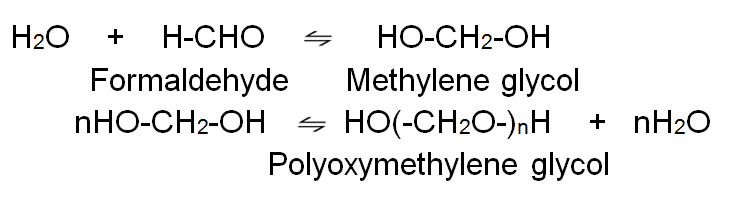
Paraformaldehyde (chemical name is polyoxymethylene) is a powder of polymerized formaldehyde that by itself cannot fix tissues To be usable as a tissue fixative, paraformaldehyde has to be dissolved in hot water to become a formaldehyde solution. Formaldehyde/paraformaldehyde Aldehyde fixatives crosslink proteins and generally preserve well the cell morphology They are somewhat slower acting than organic solvents, especially for thick specimens 4% formaldehyde for 10 min is a good starting point for mammalian cells. Heat at 55 degrees for 1 hour or microwave for 10 to 30 seconds until it goes into solution Place on ice until use To fix samples Centerfuge samples, remove supernatants, vortex pellet, resuspend cells in 05 ml of 2% paraformaldehyde/sample Store samples on ice and discard unused portion of paraformaldehyde.
The mechanism of fixation is dependent on the reagent used Alcohol based fixations dehydrate cells/tissues, causing proteins to denature and precipitate in situ Paraformaldehyde causes covalent. In fluorescence studies, paraformaldehyde has been used as as a formalin fixative to fix cells and tissues To use the chemical as a fixative, it must be converted to the monomer formaldehyde by heating as formaldehyde is the active chemical in fixation. Fixing Cells with Paraformaldehyde (PFA) for Flow Cytometry Preparation of Working Solutions Dilute only the amount of PFA you will need per experiment to 4% PFA from the 16% stock with PBS Store the undiluted stock at degrees until needed (open stocks should only be kept for one month) Add an equal volume of the 4% stock to samples for a final concentration 2% PFA.
Fixation can alter the epitope, making it difficult for your antibody to recognize its target The information provided below is based on our inhouse testing of our clones on unfixed cells (no fixation) and cells fixed with 4% paraformaldehyde prior to staining (postfixation) We have provided data where possible. The effect of paraformaldehyde (PFA) fixation and sucrose cryoprotection on murine brain metals was studied by examining the changes in total brain metal levels throughout a complete fixation/cryoprotection protocol. Paraformaldehyde (PFA) is a powder form of polymerized formaldehyde that needs to be dissolved in PBS before it is used as a fixative Formalin is a commercially available, saturated formaldehyde solution (37% w/v) that also contains methanol as a stabilizer to prevent the polymerization of formaldehyde.
3 Slowly add a few drops of 10 N NaOH to the cloudy mixture, stirring until the solution begins to clear;. An attractive property of formaldehyde fixation is that it is partially reversible and some denatured antigens can be retrieved to be again recognized by antibodies (11) In contrast, the larger glutaraldehyde molecules fix tissues quickly and irreversibly but do not penetrate thick tissues well. Shop a large selection of products and learn more about Paraformaldehyde Solution, 4% in PBS, Thermo Scientific.
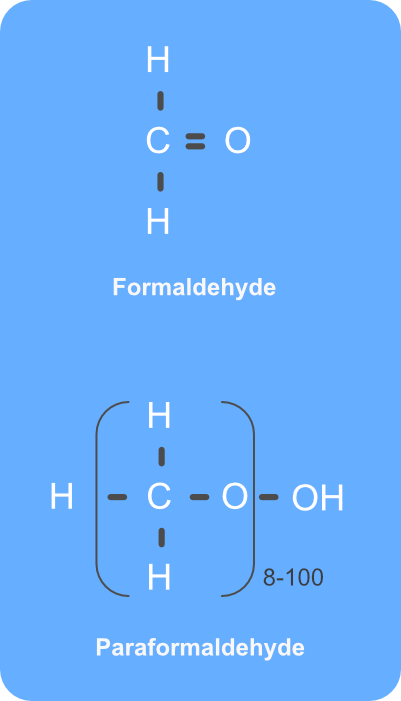
Paraformaldehyde (PFA) in PBS is one of the widely used fixatives for Immunohistochemistry (IHC) and fluorescent protein labelled samples Paraformaldehyde is a polymer of formaldehyde with a wide range of monomeric units typically 8100 PFA does not have the capacity to fix samples, hence it must be depolymerised in the solution. Paraformaldehyde fixation has been widely adapted to preserved cell morphology before immunofluorescence staining On one hand, the processed cells are no longer living On the other hand, the processing may lead to misinterpretation of localization. Making Paraformaldehyde Solution 4% paraformaldehyde is usually made in PBS or TBS at 70 °C with several drops of 5N NaOH to help clarify the solution Prepare 4% paraformaldehyde solution in a chemical hood if you don’t want to be slightly fixed yourself.

Cells Are Permeabilized With Digitonin Followed By Paraformaldehyde Download Scientific Diagram

Intracellular Staining Research At St Michael S Hospital

Targeted Single Cell Microchemical Analysis Ms Based Peptidomics Of Individual Paraformaldehyde Fixed And Immunolabeled Neurons Sciencedirect
Www Imperial Ac Uk Media Imperial College Medicine Facilities Film Fixation Protocol Pdf

Fixation And Embedding For Em Immunocytochemistry
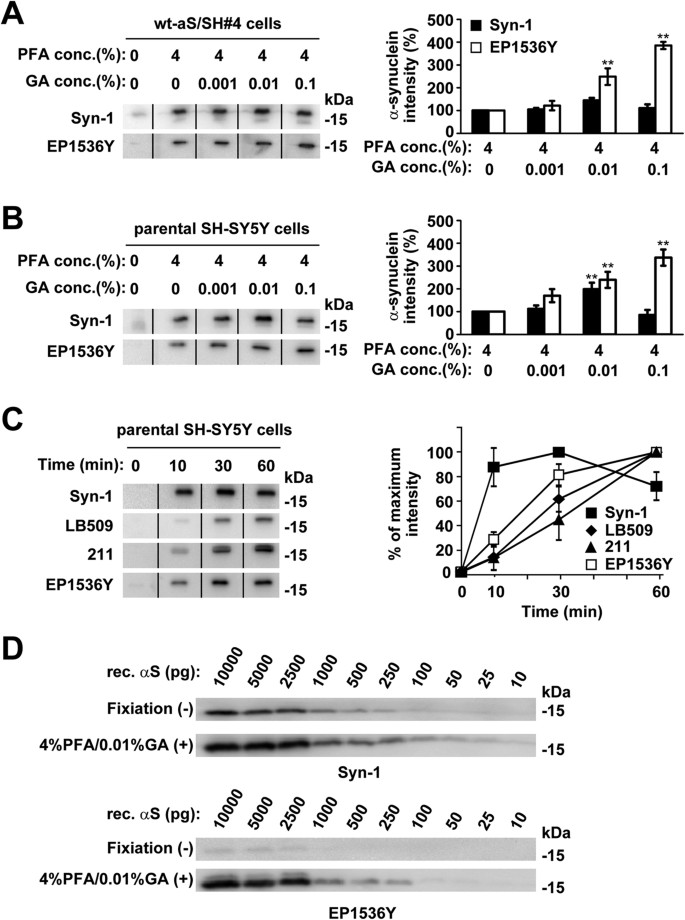
Sensitive Western Blotting For Detection Of Endogenous Ser129 Phosphorylated A Synuclein In Intracellular And Extracellular Spaces Scientific Reports
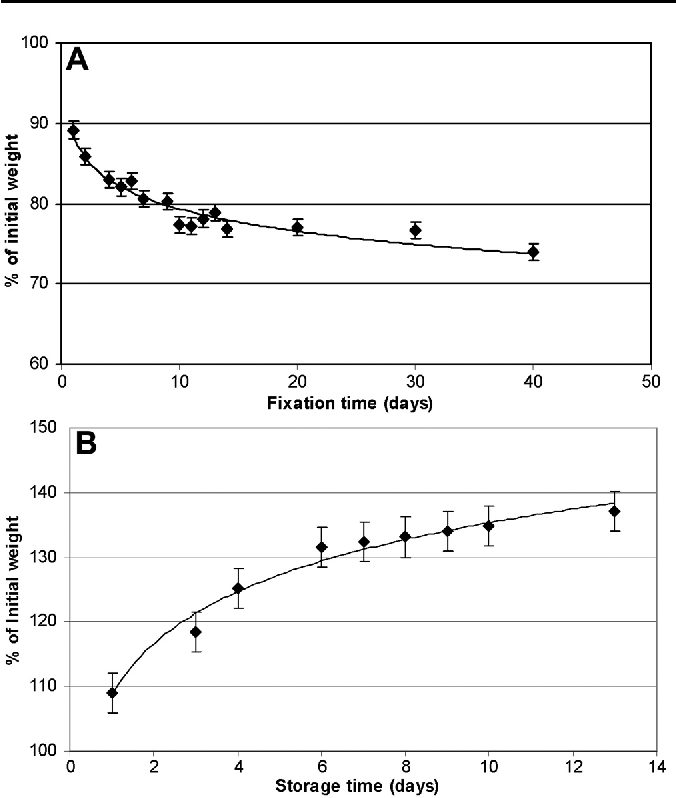
Pdf The Effect Of Paraformaldehyde Fixation And Pbs Storage On The Water Content Of The Human Lens Semantic Scholar

Tem Fixation Protocol

Critical Importance Of Appropriate Fixation Conditions For Faithful Imaging Of Receptor Microclusters Biology Open
Www Biotek Com Assets Tech Resources Cell fixation white paper Pdf

Biolegend Fix Now Fix Later Considerations For The Use
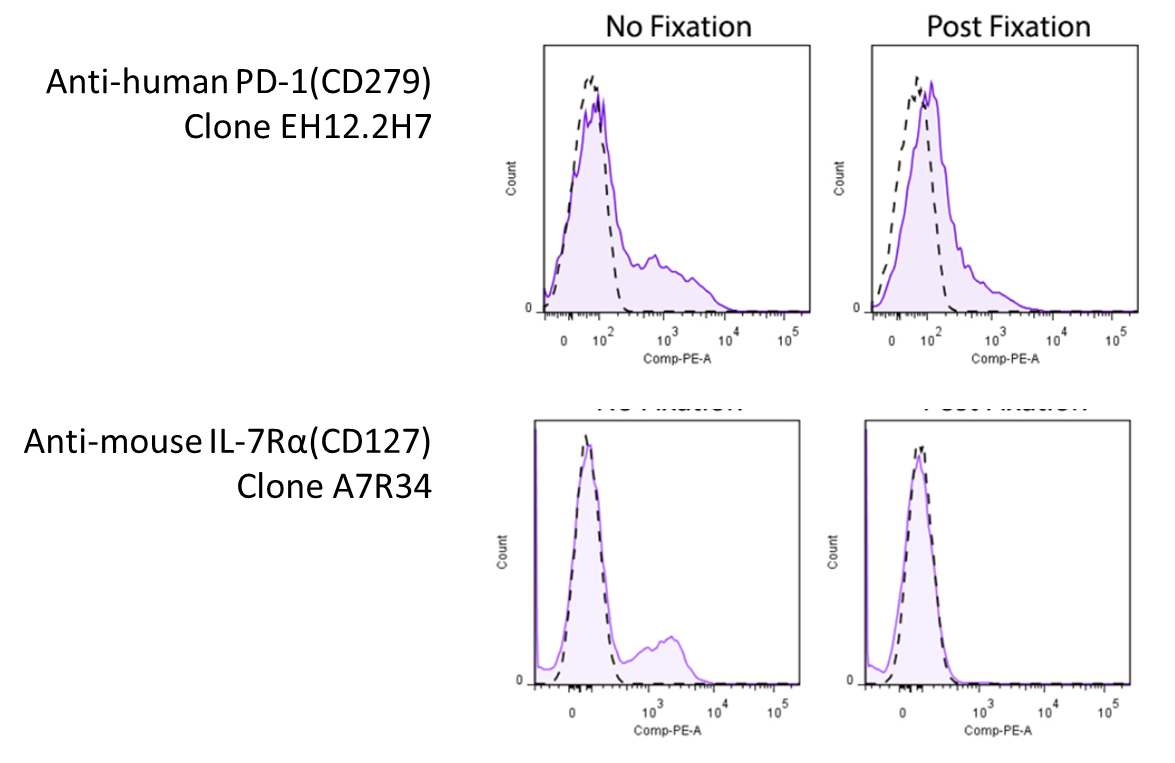
Blog Fix Now Fix Later Considerations For The Use Of Paraformaldehyde Fixation In Flow Cytometry
4 4 Paraformaldehyde Phosphate Buffer Solution 161 141 163 145 Detail Information Laboratory Chemicals Fujifilm Wako Chemicals U S A Corporation
Www Mskcc Org Sites Default Files Node 3816 Documents Anti En Ab Immunofluorescent Pdf

Fixation Of Tissue
Http Novitchlab Com Sites Default Files Ab staining cryosections protocol Pdf
Tissue Fixation Solution 4 Paraformaldehyde Without Depc Manufacturer Elabscience

Chemical And Physical Basics Of Routine Formaldehyde Fixation Thavarajah R Mudimbaimannar Vk Elizabeth J Rao Uk Ranganathan K J Oral Maxillofac Pathol

Pfa Fixation For Immunofluorescence
Q Tbn And9gcs4fvinekfctvkumzumtdjy D Ak0t67j0rb4sz8gbpehxm Gnc Usqp Cau
2

Pfa Fixation Enables Artifact Free Super Resolution Imaging Of The Actin Cytoskeleton And Associated Proteins Biology Open

3 Different Permeabilization Procedures In Combination With Pfa Download Scientific Diagram
2
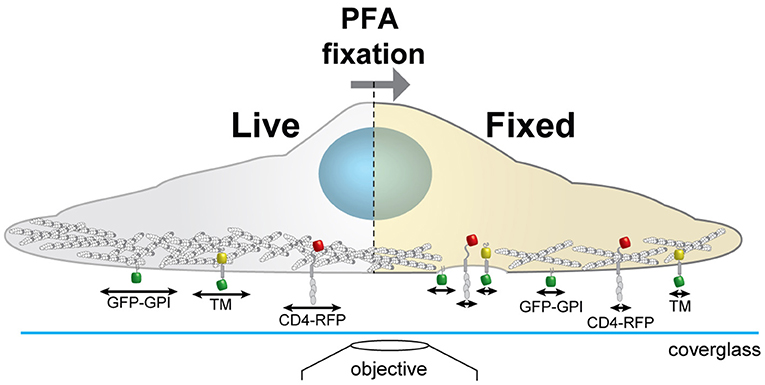
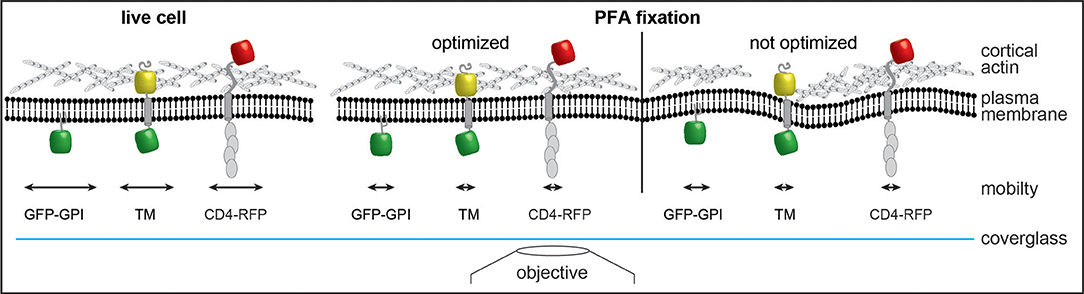
Frontiers Fix Your Membrane Receptor Imaging Actin Cytoskeleton And Cd4 Membrane Organization Disruption By Chemical Fixation Immunology
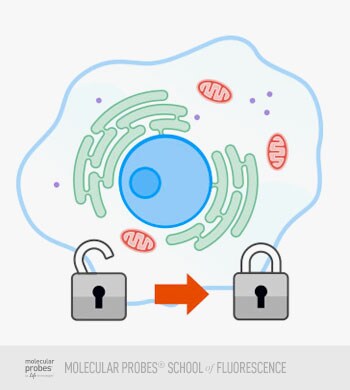
Preparing Fixed Cells For Labeling Thermo Fisher Scientific Uk

Paraformaldehyde An Overview Sciencedirect Topics

Critical Importance Of Appropriate Fixation Conditions For Faithful Imaging Of Receptor Microclusters Biology Open
Fixation

Comparison Of Permeabilization Buffer And Paraformaldehyde Fixation On Download Scientific Diagram
Fixation

Paraformaldehyde Fixation Global Market Insights Inc

The Impact Of Cell Fixation On Coherent Anti Stokes Raman Scattering Signal Intensity In Neuronal And Glial Cell Lines Levchenko 19 Journal Of Biophotonics Wiley Online Library
Http Journals Sagepub Com Doi Pdf 10 1177

Mri Parameters Depending On Paraformaldehyde Fixation

Paraformaldehyde Fixation Buffer Pfa

Paraformaldehyde An Overview Sciencedirect Topics
Aldehyde Fixation And Its Mechanism I Am A Novice
Sites Wustl Edu Levinlab Files 08 Gluteraldehydeparaformaldehyde Fixation Protocol Pdf
Www Abcam Com Ps Pdf Protocols Fixation Permeabilization Pdf

Use Of Fixatives For Immunohistochemistry And Their Application For Detection Of Retinoic Acid Synthesizing Enzymes In The Central Nervous System Sciencedirect
Www Future Science Com Doi Pdf 10 2144 st03
Plos One Influence Of The Fixation Permeabilization Step On Peptide Nucleic Acid Fluorescence In Situ Hybridization Pna Fish For The Detection Of Bacteria

Tips And Tricks For Artifact Free Pfa Based Fixation Of The Actin Cytoskeleton And Its Regulatory Proteins For Single Molecule Localization Super Resolution Microscopy Research Square

Toward Understanding The Dynamics Of Membrane Raft Based Molecular Interactions Sciencedirect

Fixation Of Tissue For Paraffin Embedding
Histological Techniques 2 Fixatives Atlas Of Plant And Animal Histology
Q Tbn And9gcs Tjbypobc33jhhqtisqx8owed04fyena38osjd7sq5cnitoyl Usqp Cau
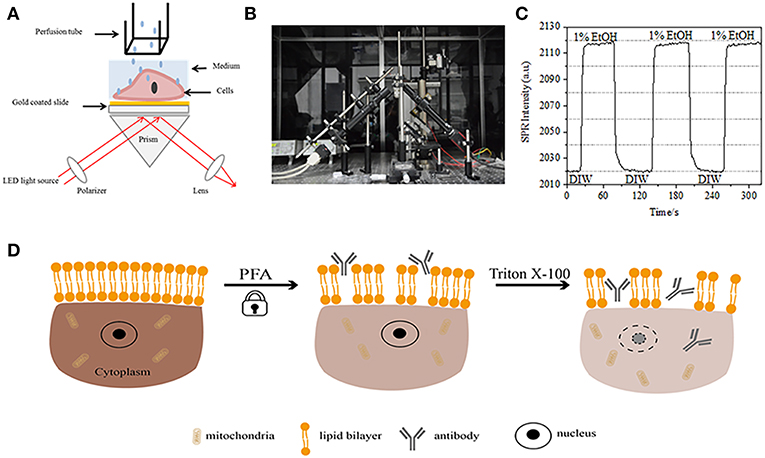
Frontiers Influence Of Fixation And Permeabilization On The Mass Density Of Single Cells A Surface Plasmon Resonance Imaging Study Chemistry
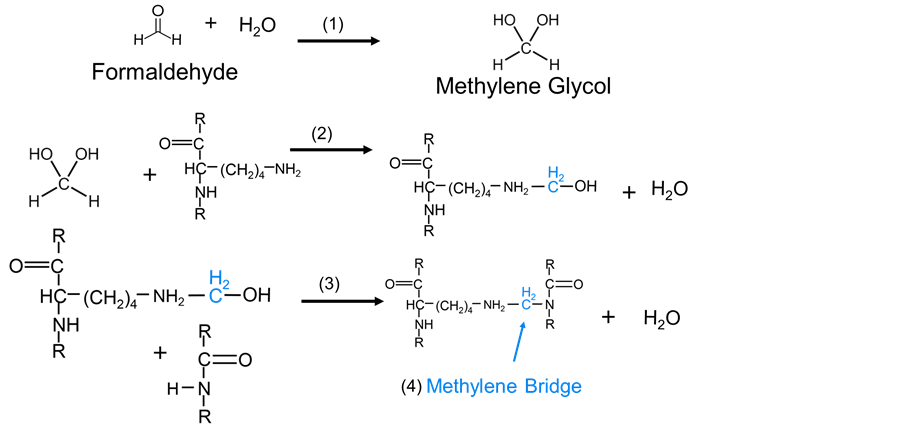
Application And Mechanism Of Malonic Acid As A Green Alternative For Protein Crosslinking

Preservacion De La Histologia Mediante Un Fijador Basado En Fenol Una Mini Revision De Los Hallazgos Recientes

Glyoxal Does Not Preserve Cellular Proteins As Accurately As Pfa A Microscopical Survey Of Epitopes Biorxiv
Www Oulu Fi Sites Default Files Content Fixation of cultured cells for tem and iem 17 Pdf
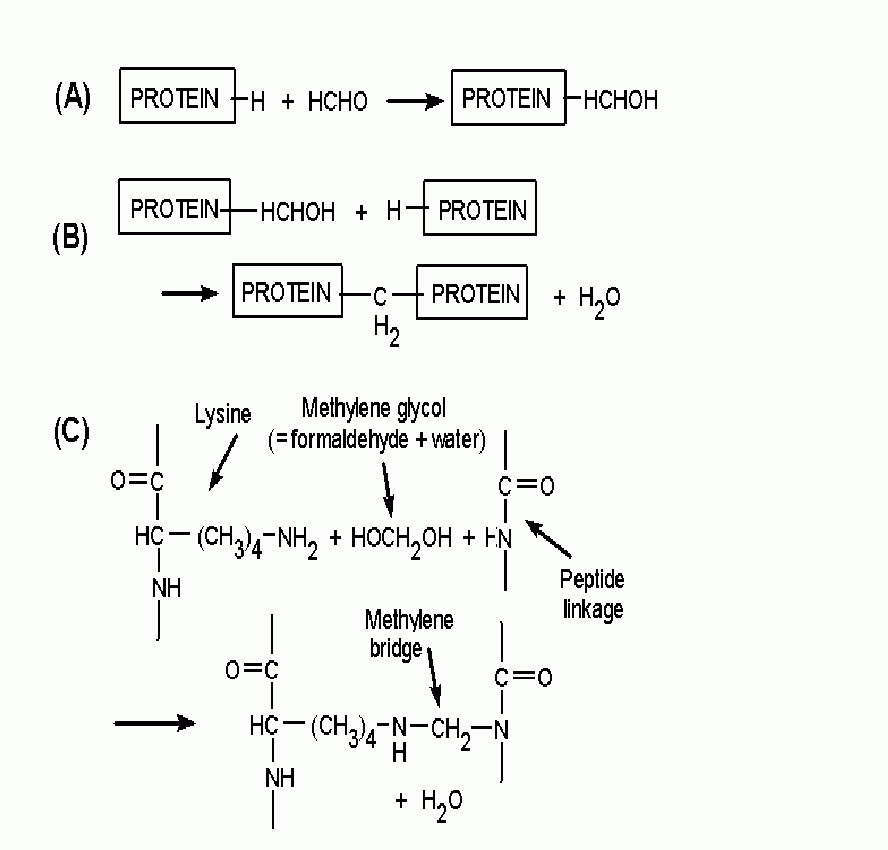
Pdf Formaldehyde Formalin Paraformaldehyde And Glutaraldehyde What They Are And What They Do Semantic Scholar
Influence Of The Fixation Permeabilization Step On Peptide Nucleic Acid Fluorescence In Situ Hybridization Pna Fish For The Detection Of Bacteria
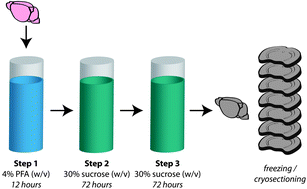
The Effect Of Paraformaldehyde Fixation And Sucrose Cryoprotection On Metal Concentration In Murine Neurological Tissue Journal Of Analytical Atomic Spectrometry Rsc Publishing
Content Ilabsolutions Com Wp Content Uploads 14 09 10pct Buffered Formalinvs 4pct Paraformaldehyde Pdf

Pfa Fixation Enables Artifact Free Super Resolution Imaging Of The Actin Cytoskeleton And Associated Proteins Biology Open
Www Med Upenn Edu Markslab Assets User Content Documents Fixation protocol for platelets Pdf
4 Paraformaldehyde Pfa Solution Preparation Sharebiology

Comparison Of Ethanol And Methanol Paraformaldehyde Fixation For Download Scientific Diagram
Pdf Formaldehyde Formalin Paraformaldehyde And Glutaraldehyde What They Are And What They Do Semantic Scholar

Pfa Fixation Enables Artifact Free Super Resolution Imaging Of The Actin Cytoskeleton And Associated Proteins Biology Open
Fixation

Paraformaldehyde Wikipedia
4 Paraformaldehyde 160 162 Detail Information Life Science Laboratory Chemicals Fujifilm Wako Pure Chemical Corporation

Cell Staining Protocol 1 Fixation Grow Cells To Ut Southwestern

Protocol For Making A 4 Formaldehyde Solution In Pbs R D Systems

Principle Of Procedure Used In This Study A Fixation 3 Pfa In Phem Download Scientific Diagram

Changes In Fluorescence Intensity Of Selected Leukocyte Surface Markers Following Fixation Stewart 07 Cytometry Part A Wiley Online Library

Aldehyde Fixatives National Diagnostics

Paraformaldehyde Fixation Of Cells Fixation Histology Staining

Paraformaldehyde An Overview Sciencedirect Topics
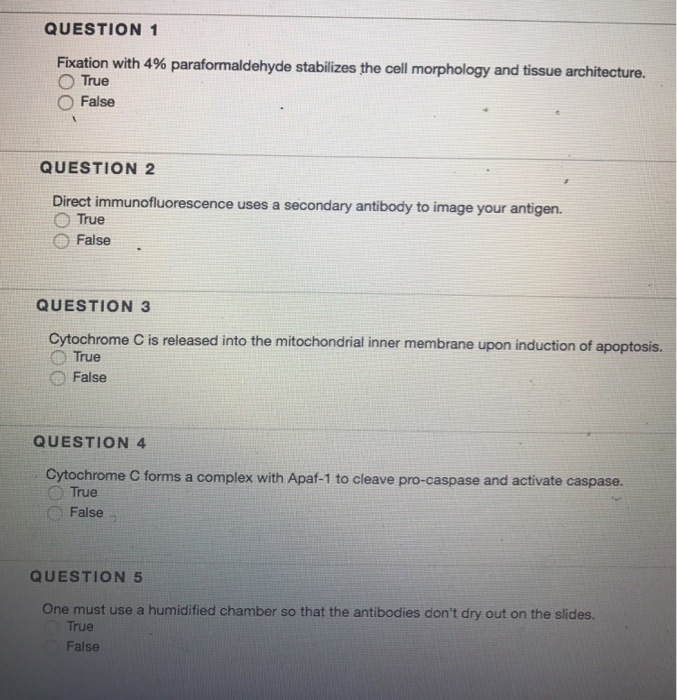
Solved Fixation With 49 Paraformaldehyde Stabilizes The Chegg Com

Pdf Paraformaldehyde Fixation Induces A Systematic Activation Of Platelets
Fixation

Methanol Renders Standard Pfa Fixation Inadequate For Clinical Download Scientific Diagram
High Content Imaging Analyses Of Gh2ax Foci And Micronuclei In Tk6 Cells Elucidated Genotoxicity Of Chemicals And Their Clastogenic Aneugenic Mode Of Action Genes And Environment Full Text
Www Embopress Org Doi Pdf 10 Embj
Optimized Fixation Of Actin Filaments For Improved Indirect Immunofluorescence Staining Of Rickettsiae Bmc Research Notes Full Text

Effect Of 4 Paraformaldehyde Fixation And Acid Hydrolysis In 1 M Hci Download Table
Www Diacomp Org Shared Document Aspx Id 71 Doctype Protocol

Analysis Of Protein Recovery After Paraformaldehyde Fixation Download Table
Paraformaldehyde Fixation May Lead To Misinterpretation Of The Subcellular Localization Of Plant High Mobility Group Box Proteins
Q Tbn And9gcqkkj2ysobmhzobqxahltz5b Atheqv0lnplq7hdmf9rycs Qw Usqp Cau

A Study On Effects Of Fixation With Formaldehyde And Paraformaldehyde Youtube
Journals Sagepub Com Doi Pdf 10 1177 40 12
Oomyceteworld Net Protocols Fixation Pdf
Q Tbn And9gcrdx0cjmd1p8qt1c Brjrvqs6tb9ytawjimrqtcw5a3lkmp02cn Usqp Cau

Single Molecule Mobility Under Different Fixation Conditions A Download Scientific Diagram
Www Lerner Ccf Org Services Flow Documents Fixation Pdf
Frontiers Fix Your Membrane Receptor Imaging Actin Cytoskeleton And Cd4 Membrane Organization Disruption By Chemical Fixation Immunology
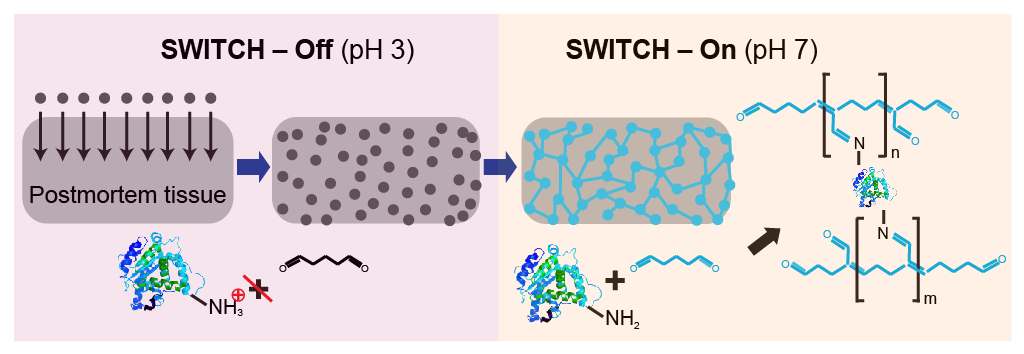
Fixation Protocol Chung Lab Resources
Http Www Whilesciencesleeps Com Pdf 606 Pdf
Cellink Com Wp Content Uploads 19 03 Cellink Fixation Protocol Pdf

A Simple And Fast Method For Fixation Of Cultured Cell Lines That Preserves Cellular Structures Containing Gamma Tubulin Sciencedirect
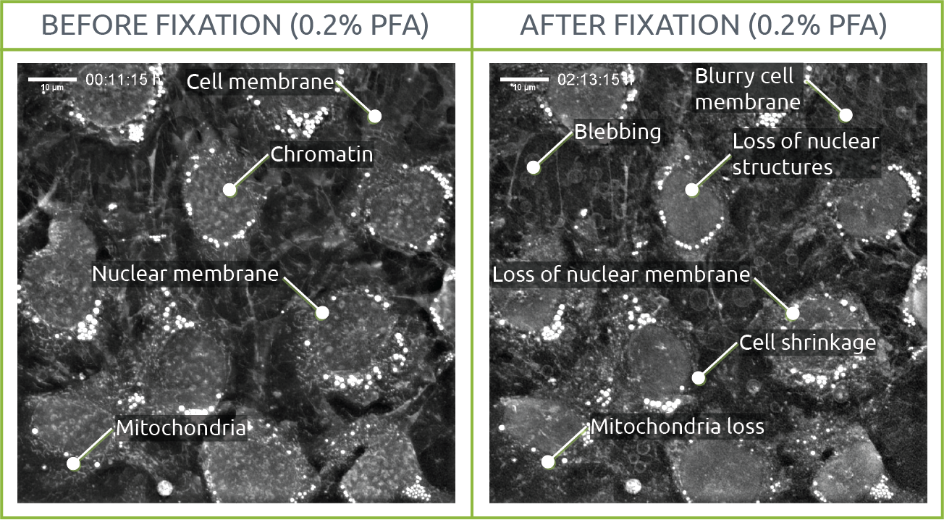
Pfa Fixation Test The Effects On Live Cell Imaging Nanolive A Complete Solution For Your Label Free Live Cell Imaging

Paraformaldehyde Wikipedia


